 Physiotherapy
 Nursing
 Medical Equipment
 Trained Attendants
 Lab Tests
 Elder Care
 Doctor Consultation
 Mother & Baby Care
 Diabetes Care
 Critical Care
 Covid Care
 Vaccination
 Counselling
 Nutrition & Diet Consultation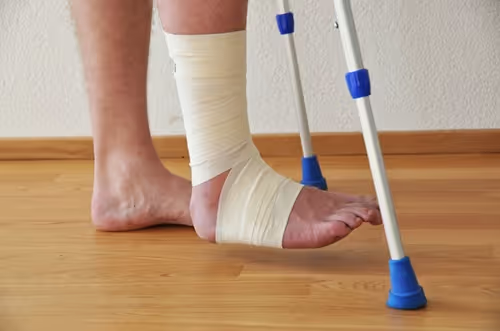
recognizing the recovery phases
Recovery from a fracture progresses in phases, beginning with immobilisation to allow bone healing. During this stage, patients may experience swelling, pain, and stiffness due to inactivity. As healing advances, gradual mobilisation is introduced to regain the range of motion. The final phase involves strength training, functional exercises, and a return to daily activities, ensuring the affected limb regains full function.
understanding the causes of post-fracture stiffness
Stiffness following a fracture can occur due to multiple factors, including prolonged joint immobilisation, muscle atrophy, and excessive scar tissue formation. In some cases, the injury itself may damage surrounding soft tissues, leading to restricted movement. Additionally, inadequate rehabilitation or delayed physiotherapy can contribute to long-term stiffness and joint dysfunction.
what contributes to post-fracture stiffness?
Certain factors increase the likelihood of post-fracture stiffness, including:
- Fractures involving joints, such as elbow, wrist, or ankle fractures.
- Prolonged immobilisation in casts or splints.
- Older adults with decreased bone density and joint flexibility.
- Individuals with underlying conditions such as arthritis or diabetes.
- Patients who delay or avoid physiotherapy due to pain or fear of movement.
how to reduce the risk of complications
Follow the rehabilitation strategies to minimise stiffness and promote smooth recovery:
- Early Mobilisation: As soon as medically permitted, you can introduce gentle movement to prevent joint stiffness.
- Pain and Swelling Management: Ice therapy, elevation, and prescribed medications help reduce inflammation and discomfort.
- Guided Physiotherapy: Professional supervision ensures safe and effective rehabilitation exercises.
- Stretching and Strengthening Exercises: Gradual exercises improve flexibility, muscle strength, and joint stability.
- Proper Use of Supports: If necessary, braces or assistive devices should be used as advised by healthcare professionals.
diagnosis and rehabilitation approaches
Effective rehabilitation after a fracture focuses on restoring mobility and function through:
- Pain and Inflammation Control: Use of medication, ice packs, and elevation.
- Range of Motion Exercises: Gentle movements to prevent stiffness and improve flexibility.
- Muscle Strengthening: Resistance exercises to regain muscle strength and joint support.
- Functional Training: Activity-based exercises to ensure a smooth transition back to daily routines.
- Manual Therapy: Hands-on techniques to enhance movement and break down adhesions.
physiotherapy: a vital component of recovery
Physiotherapy is an essential part of post-fracture rehabilitation, helping patients regain strength, mobility, and independence. Experienced physiotherapists guide patients through customised exercise programs to restore function and prevent complications. Techniques such as joint mobilisation, neuromuscular training, and therapeutic exercises enhance recovery and ensure long-term joint health.
how portea supports post-fracture rehabilitation
At Portea, we offer expert home-based physiotherapy services to support patients recovering from fractures. Our experienced physiotherapists design personalised rehabilitation plans to help individuals regain mobility, strength, and confidence in their daily activities.
Beyond post-fracture rehabilitation, we specialise in various physiotherapy services, including orthopaedic rehabilitation, neuro-rehabilitation, arthritis management, elderly physiotherapy, and post-surgical recovery—all delivered in the comfort of your home.
With our dedicated team, we ensure each patient receives professional, customised care to enhance recovery and improve quality of life.
portea’s other physiotherapy services for various medical conditions
faqs on post-fracture stiffness rehabilitation
1. How to get rid of stiffness after a fracture?
Gentle stretching, physiotherapy, and gradual movement help reduce stiffness. Applying heat, performing mobility exercises, and staying consistent with rehab improve flexibility, prevent muscle tightness, and restore joint function. Always follow medical advice for safe recovery.
2. Is physiotherapy good for stiffness?
Yes, physiotherapy improves mobility, reduces stiffness, and strengthens muscles. Targeted exercises, manual therapy, and guided movement aid recovery, ensuring proper joint function. Regular sessions help restore flexibility and prevent long-term complications after a fracture.
3. When to start rehab after a fracture?
Rehab begins after initial healing, usually once the cast is removed or swelling subsides. A doctor or physiotherapist guides exercises to prevent stiffness, rebuild strength, and enhance mobility safely without causing further injury.
4. How do you relax muscles after a fracture?
Apply heat therapy, perform gentle stretching, and use massage techniques to relax muscles. Deep breathing and gradual movement reduce tension, while hydration and proper nutrition support muscle recovery. Avoid overexertion and follow prescribed exercises.
5. Can stiffness be permanent after a fracture?
Stiffness can become permanent without proper rehab. Early physiotherapy, mobility exercises, and gradual movement prevent long-term joint restrictions. Consistent stretching and strengthening routines restore flexibility, ensuring optimal recovery and preventing chronic stiffness or mobility limitations.
6. What exercises reduce post-fracture stiffness?
Gentle stretching, range-of-motion exercises, and low-impact activities like swimming or cycling improve flexibility. Strength training helps rebuild muscle support. Controlled physiotherapy-guided movements enhance mobility, prevent stiffness, and ensure safe recovery without straining healing bones or joints.
Doctor Consultation
Nursing
Physiotherapy
Trained Attendant
Elder Care
Mother & Baby Care
Lab Tests
Medical Equipment
Speciality Pharma
Critical Care
- > Our Team> Doctor Speak> Press & Media> Annual Return> Careers> Partner With Us> Contact Us> FAQs> Testimonials
- > Physiotherapy> Doctor Consultations> Nursing> Medical Equipment> Trained Attendants> Lab Tests> Counselling
- > Physiotherapy for Back Pain> Physiotherapy for sports> Eldercare for Parents> Injections and IVs> Cholesterol tests> Refer a friend
For Bookings and Service queries:
Ph: 1800 121 2323 Email: bookings@portea.comFor Customer Support & Feedback:
Ph: 1800 121 2323 Email:customersupport@portea.com![Facebook]()
![Twitter]()
![Youtube]()
![Instagram]()
![LinkedIn]()


*I agree to be contacted by Portea over phone and email. I do not have any objection to receiving emails, messages (SMS or any other mode) and calls from Portea. This consent shall supersede any preferences set through Do Not Disturb (DND Register)/ National Customer Preference Register (NCPR).
**Including State Govt. Projects