 Physiotherapy
 Nursing
 Medical Equipment
 Trained Attendants
 Lab Tests
 Elder Care
 Doctor Consultation
 Mother & Baby Care
 Diabetes Care
 Critical Care
 Covid Care
 Vaccination
 Counselling
 Nutrition & Diet Consultation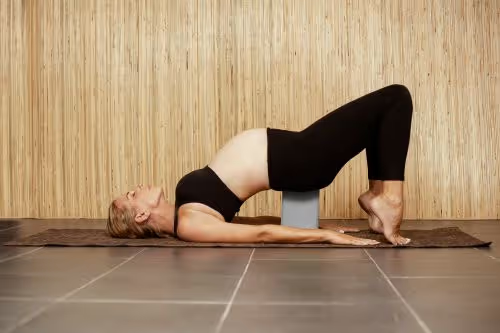
importance of prenatal exercises
Prenatal exercises help prepare the body for labour and delivery while minimising discomfort associated with pregnancy. Regular physical activity can reduce back pain, improve circulation, and strengthen muscles essential for childbirth. Exercises such as gentle stretching, pelvic floor strengthening, and low-impact cardio activities can help maintain flexibility and support overall well-being during pregnancy.
common prenatal exercises
Expecting mothers benefit from exercises that focus on strength, endurance, and flexibility. Walking is an excellent low-impact aerobic exercise that promotes cardiovascular health and reduces swelling in the legs. Prenatal yoga enhances flexibility, relaxation, and breathing techniques that are useful during labour. Strengthening exercises, such as squats and pelvic tilts, help maintain core stability and prepare the body for childbirth. Additionally, kegel exercises strengthen pelvic floor muscles, reducing the risk of incontinence post-delivery.
safety considerations for prenatal workouts
While exercise during pregnancy offers numerous benefits, it is crucial to follow safety guidelines. Expecting mothers should consult a healthcare provider before starting any fitness routine. Staying hydrated and avoiding high-impact activities reduce the risk of injury. Exercises that require lying flat on the back should be modified after the first trimester to prevent pressure on major blood vessels. Listening to the body and stopping if discomfort or dizziness occurs is essential for a safe workout routine.
benefits of postnatal exercises
Postnatal exercises focus on regaining strength, restoring posture, and improving overall fitness after childbirth. New mothers often experience weakened abdominal muscles, lower back pain, and pelvic floor instability. Engaging in structured workouts helps rebuild core strength, enhance endurance, and promote mental well-being. Additionally, postnatal exercises aid in weight management and reduce the risk of postpartum depression.
recommended postnatal exercises
Postpartum fitness should start gradually, with exercises designed to rebuild strength safely. Deep breathing and core engagement exercises activate abdominal muscles without straining the body. Pelvic floor exercises help restore muscle control and prevent complications like urinary incontinence. Gentle stretching alleviates tension in the back and shoulders caused by breastfeeding or carrying the baby. As strength improves, low-impact activities such as walking and postnatal yoga help enhance stamina and flexibility.
precautions for postnatal workouts
Returning to exercise postpartum requires careful consideration. Women who have undergone C-sections or complicated deliveries should wait for medical clearance before engaging in physical activity. Starting with light movements and gradually increasing intensity ensures a safe transition to fitness. Proper posture and breathing techniques reduce strain on the recovering body. Avoiding excessive abdominal exercises early on helps prevent diastasis recti, a common postpartum condition where abdominal muscles separate.
role of physiotherapy in pre and postnatal care
Physiotherapy plays a crucial role in supporting women throughout pregnancy and postpartum recovery. Physiotherapists guide expecting mothers through safe exercises that enhance strength and mobility. Postnatal physiotherapy focuses on rehabilitating core muscles, improving posture, and addressing any lingering pain or discomfort. Additionally, hands-on therapy techniques help alleviate back pain and improve joint mobility, ensuring a smoother recovery.
how portea supports pre and postnatal rehabilitation
At Portea, we provide expert home-based physiotherapy services to support women during pregnancy and postpartum recovery. Our skilled physiotherapists design customised exercise programs that help maintain strength, flexibility, and overall well-being in a comfortable home setting.
We also specialise in providing expert physiotherapy services for post-surgical rehab, arthritis, neuro-rehab, sports injury, orthopaedic physiotherapy, physiotherapy for the elderly, respiratory disorders, and more – all delivered conveniently at your home. Our dedicated team ensures you receive the personalised care you need for a smooth and successful recovery.
portea’s other physiotherapy services for various medical conditions
faqs on pre and postnatal exercise
1.What is pre and postnatal exercise?
Pre and postnatal exercise includes safe workouts designed for pregnancy and postpartum recovery. It helps improve strength, flexibility, and endurance while reducing discomfort and promoting overall well-being during and after pregnancy.
2.What is the difference between antenatal and postnatal exercises?
Antenatal exercises are done during pregnancy to maintain fitness and reduce pregnancy discomfort. Postnatal exercises focus on recovery, strengthening core muscles, and restoring mobility after childbirth.
3.What is pre and postnatal health?
Pre and postnatal health involves physical, mental, and emotional well-being during pregnancy and postpartum. It includes proper nutrition, exercise, medical care, and mental health support for both mother and baby.
4.What is pre and postnatal yoga?
Pre and postnatal yoga involves gentle poses, breathing exercises, and relaxation techniques to support pregnancy, labor, and postpartum recovery. It enhances flexibility, reduces stress, and strengthens core muscles safely.
5.Is exercise safe during pregnancy?
Yes, with medical approval, moderate exercise is safe and beneficial, improving circulation, reducing pain, and supporting a healthy pregnancy.
6.When can I start postnatal exercises?
Most women can start gentle exercises six weeks postpartum, depending on their recovery. However, consulting a doctor before beginning any workout is essential to ensure safety and avoid complications, especially after a C-section or a complicated delivery.
Doctor Consultation
Nursing
Physiotherapy
Trained Attendant
Elder Care
Mother & Baby Care
Lab Tests
Medical Equipment
Speciality Pharma
Critical Care
- > Our Team> Doctor Speak> Press & Media> Annual Return> Careers> Partner With Us> Contact Us> FAQs> Testimonials
- > Physiotherapy> Doctor Consultations> Nursing> Medical Equipment> Trained Attendants> Lab Tests> Counselling
- > Physiotherapy for Back Pain> Physiotherapy for sports> Eldercare for Parents> Injections and IVs> Cholesterol tests> Refer a friend
For Bookings and Service queries:
Ph: 1800 121 2323 Email: bookings@portea.comFor Customer Support & Feedback:
Ph: 1800 121 2323 Email:customersupport@portea.com![Facebook]()
![Twitter]()
![Youtube]()
![Instagram]()
![LinkedIn]()


*I agree to be contacted by Portea over phone and email. I do not have any objection to receiving emails, messages (SMS or any other mode) and calls from Portea. This consent shall supersede any preferences set through Do Not Disturb (DND Register)/ National Customer Preference Register (NCPR).
**Including State Govt. Projects